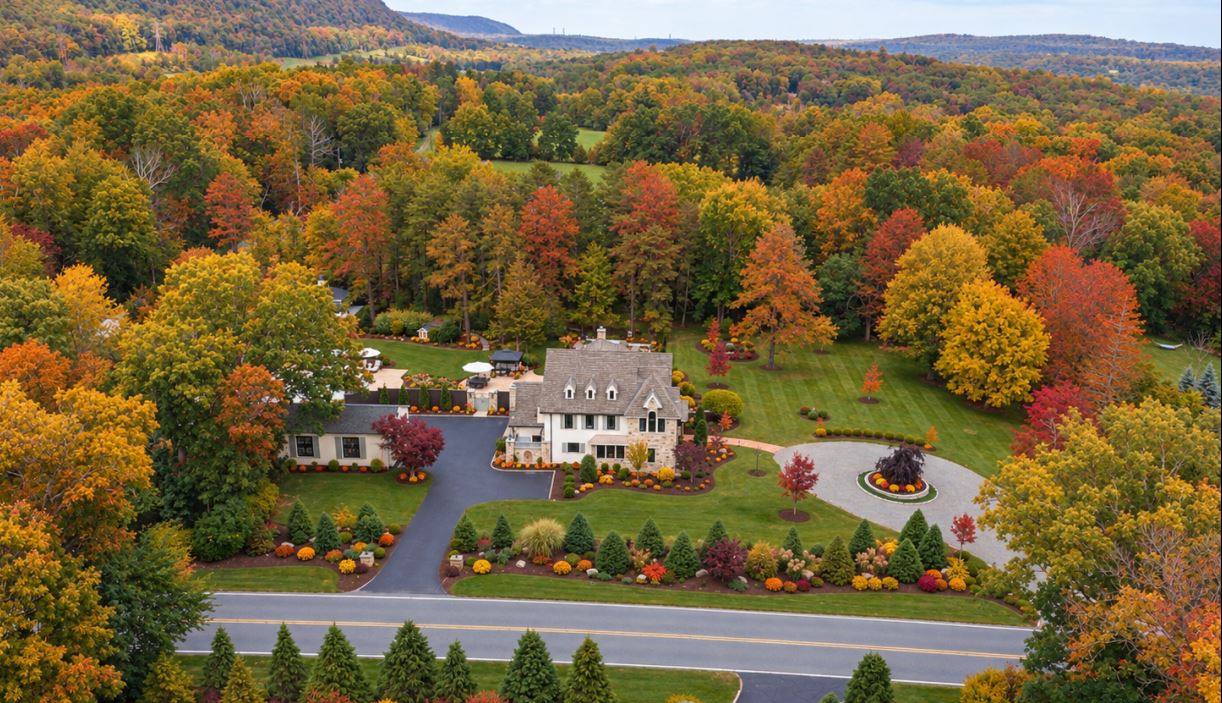
Spring may get most of the attention when homeowners think about landscaping, but fall is one of the most valuable planting seasons in New Jersey.
As summer heat begins to fade and temperatures become more moderate, the landscape enters a period that can be especially favorable for establishing trees, shrubs, and perennials. The s
oil is still warm, daytime temperatures are generally more comfortable, and newly installed plants can devote more energy to developing roots rather than coping with the stress of midsummer heat.
For homeowners considering improvements to an established landscape, fall can be an ideal time to make meaningful changes while also preparing the property for the seasons ahead.
Why Fall Planting Works So Well

Successful planting depends on much more than what is happening above ground.
After a new tree, shrub, or perennial is installed, one of the most important priorities is root development. Strong roots help plants access water and nutrients, withstand temperature changes, and become better established within the surrounding landscape.
During fall, cooler air temperatures reduce some of the stress placed on newly installed plant material. At the same time, the soil often remains warm enough for root activity to continue.
That combination creates an important opportunity. Instead of immediately facing intense summer heat, newly planted material can begin settling into its new environment during more moderate conditions.
This does not mean every plant belongs in every property or that all planting should be handled the same way. Sun exposure, drainage, soil conditions, mature plant size, deer pressure, and the overall landscape design all matter.
The goal should not simply be to add more plants. It should be to select plants that belong in the location and contribute to the long-term appearance and function of the property.
Trees and Shrubs Can Transform an Established Landscape
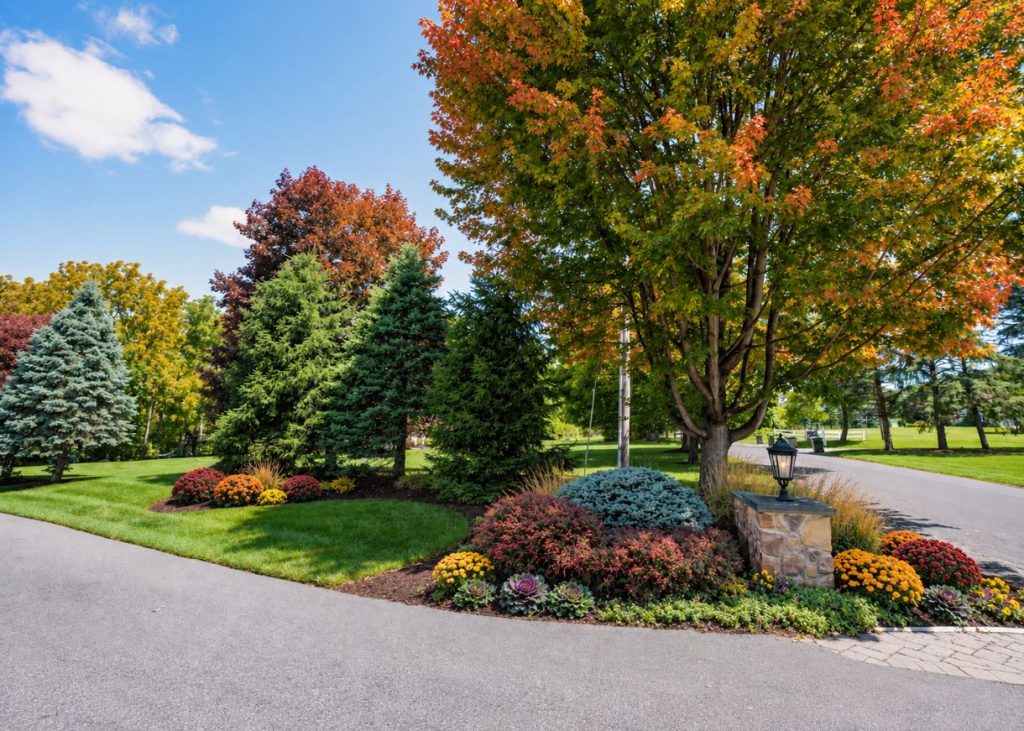
Some of the most significant improvements to a residential property come from carefully selected trees and shrubs.
They can provide structure, privacy, screening, shade, and visual interest while helping define different areas of the landscape. On mature properties, they can also be used to replace plantings that have become overgrown, damaged, or poorly suited to their location.
Fall provides an opportunity to look at the property with a more critical eye.
Are foundation plantings hiding windows or overwhelming the architecture?
Have older shrubs become woody or difficult to maintain?
Are there areas that feel exposed and would benefit from additional screening?
Could a specimen tree create a stronger focal point?
These are design questions rather than simply planting questions. The best landscape improvements consider how the property should look several years from now, not only how it looks on installation day.
Perennials Add Color, Texture and Continuity
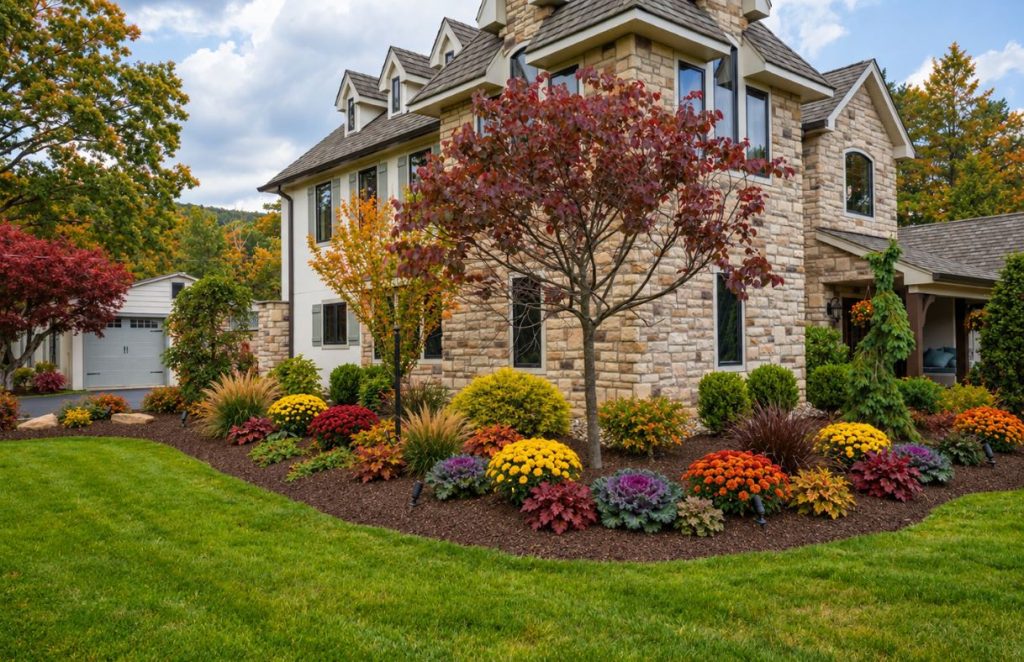
Perennials are another important part of a well-designed landscape because they provide opportunities to build layers of color, texture, and seasonal interest.
Unlike annuals that are typically replaced each season, properly selected perennials return year after year and can help create a more established appearance as the landscape matures.
Autumn is an excellent opportunity to address any gaps, expand your planting beds, or introduce new plant combinations that beautifully complement your existing shrubs and trees.
When planning your plant selections, consider how the landscape can evolve throughout the growing season. Instead of relying on just a brief period of blooms, a well-thought-out planting design can showcase plants that thrive at various times, ensuring ongoing visual appeal through their foliage, texture, and structure.
Seasonal Color Can Make an Immediate Difference

Not every fall improvement needs to be part of a major landscape renovation.
Seasonal plantings are one of the quickest ways to refresh the appearance of a property and introduce strong fall color.
Mums, ornamental grasses, and other cool-season plantings can be incorporated around entryways, walkways, patios, and existing landscape beds. Decorative containers can also add concentrated areas of color without requiring significant changes to the permanent landscape.
For homeowners who entertain outdoors during September and October, seasonal color can help keep patios, outdoor kitchens and gathering areas looking finished even as summer plantings begin to fade.
The key is coordination.
Fall color works best when it complements the permanent landscape rather than appearing as an unrelated collection of seasonal plants. Color combinations, plant heights, containers, and placement should all reinforce the overall design of the property.
Fall Is Also an Important Time for Lawn Renovation
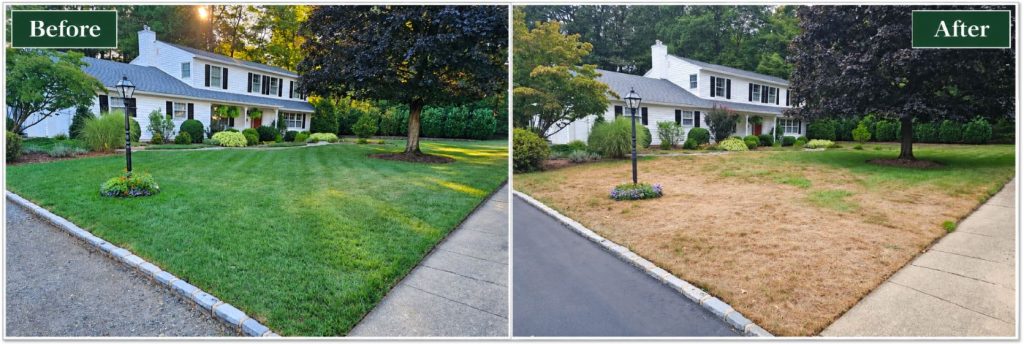
Planting beds are only one part of the landscape that can benefit from attention in fall.
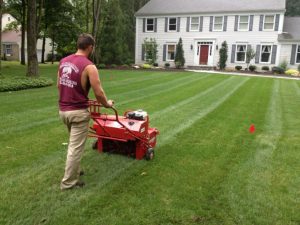
Lawns that have become thin, compacted, or stressed during summer may also benefit from aeration and overseeding.
Two approaches may be appropriate depending on the condition of the lawn.
Core aeration mechanically removes small plugs of soil from the turf. This helps relieve soil compaction and creates openings that can improve the movement of air, moisture, and nutrients into the root zone. It can also improve conditions for overseeding by providing greater seed-to-soil contact.
Slice aeration or slice seeding is a more intensive option that mechanically creates narrow openings in the turf and places seed into closer contact with the soil. This can be particularly useful in lawns where thinning is more pronounced or where simply spreading seed over the surface is unlikely to produce the desired level of establishment.
The best method depends on the condition of the existing lawn, soil compaction, turf density and the degree of renovation required.
Fall’s cooler temperatures can make this a valuable period for overseeding and repairing turf that struggled during the summer months.
Look at the Entire Property, Not Just Individual Plants

One of the biggest advantages of fall landscape planning is perspective.
By this point in the season, homeowners have spent several months using their property. They have seen where shade falls, which planting beds performed well, which areas lacked color and where privacy or screening may be needed.
They also know which outdoor spaces they used most often.
That experience can help guide better decisions.
Perhaps a patio needs additional privacy. Maybe the view from an outdoor dining area needs improvement. A planting bed may need more structure, or an aging foundation planting may need to be reconsidered entirely.
Fall is an opportunity to identify those shortcomings while they are still fresh in mind and determine which improvements should happen now and which may become part of a larger future landscape plan.
A Better Landscape Starts With the Right Plan
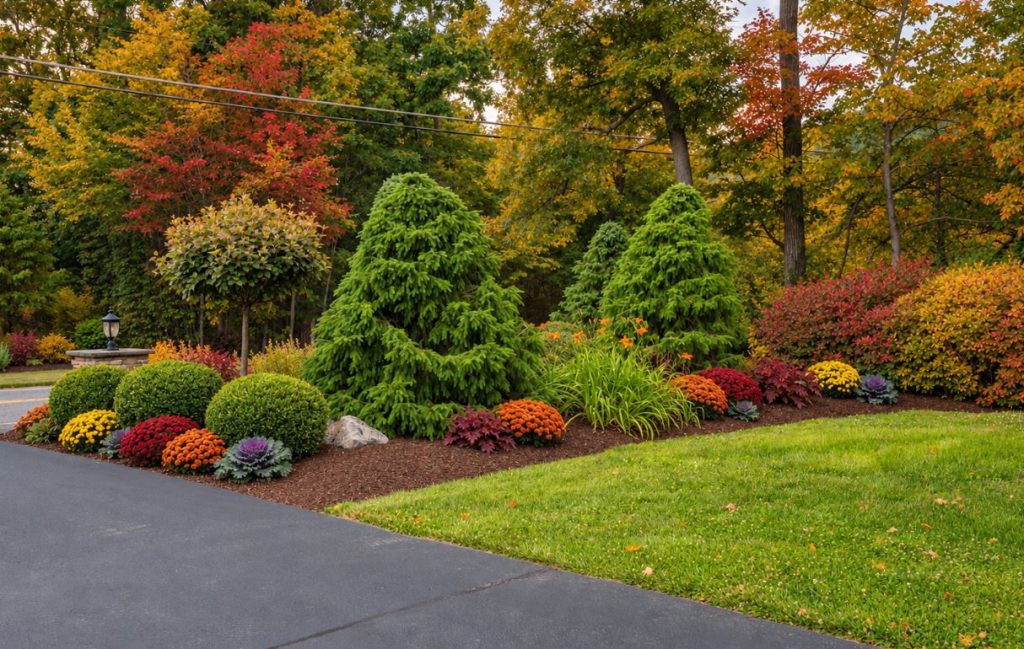
Planting a tree or adding a few perennials may seem simple, but the most successful landscapes are built through thoughtful decisions made across the entire property.
The right plant in the right location can enhance a landscape for years. The wrong plant can quickly become overcrowded, difficult to maintain or inconsistent with the architecture and surrounding landscape.
That is why professional landscape planning considers more than the immediate installation.
Plant selection, spacing, drainage, sun exposure, soil conditions, maintenance requirements and mature growth all contribute to the long-term result.
Fall provides an excellent opportunity to make those decisions while conditions remain favorable for planting and homeowners can still clearly see how their landscapes performed throughout the year.
Whether the goal is to introduce new trees and shrubs, refresh planting beds, add seasonal color or renovate a tired lawn through aeration and overseeding, the fall season offers multiple opportunities to strengthen the landscape.
Lakeland Landscaping helps homeowners throughout Morris and Warren Counties plan and implement landscape improvements designed for the way their properties are actually used. If there are areas of your landscape you would like to improve this fall—or begin planning for the seasons ahead. Now is an excellent time to start the conversation. Call us to schedule a free consultation – 973-361-3315