By August, a New Jersey landscape has been through a lot. Spring growth has matured, summer heat has tested lawns and plantings, shrubs may be getting oversized, and some areas of the property that looked promising in May may now feel tired, crowded or simply unfinished.
That makes late summer an important time to evaluate your landscape.
It is not necessarily the season for making dramatic changes everywhere. Instead, August is an excellent time to identify what needs attention, selectively prune where appropriate, improve problem areas and begin planning landscape improvements that can be completed during the cooler months ahead.
For homeowners considering professional landscaping services, the work done—or planned—now can have a significant impact on how the property looks this fall and how successfully it performs next spring.
Start by Looking at the Landscape as a Whole
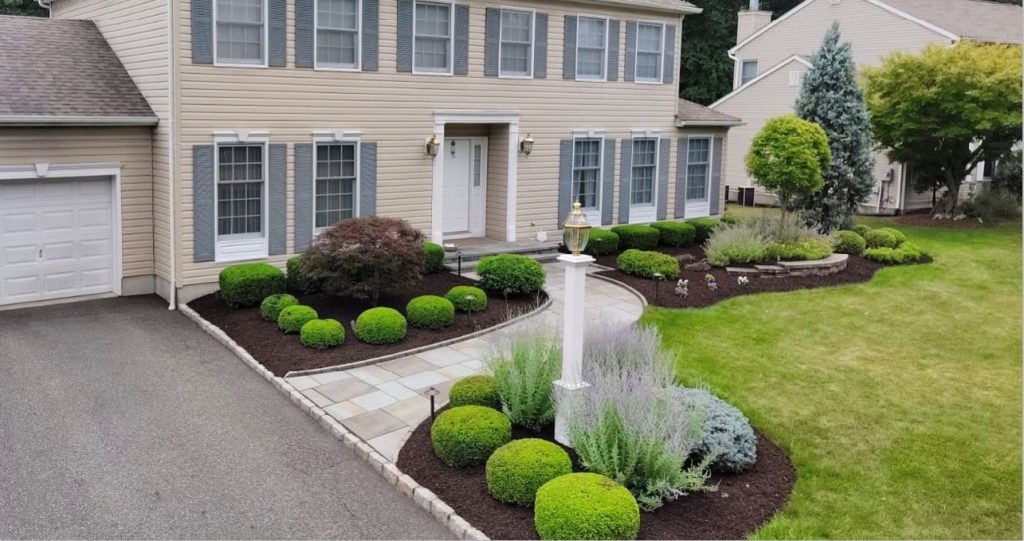
One of the benefits of evaluating a property in late summer is that you can see the landscape at or near its fullest.
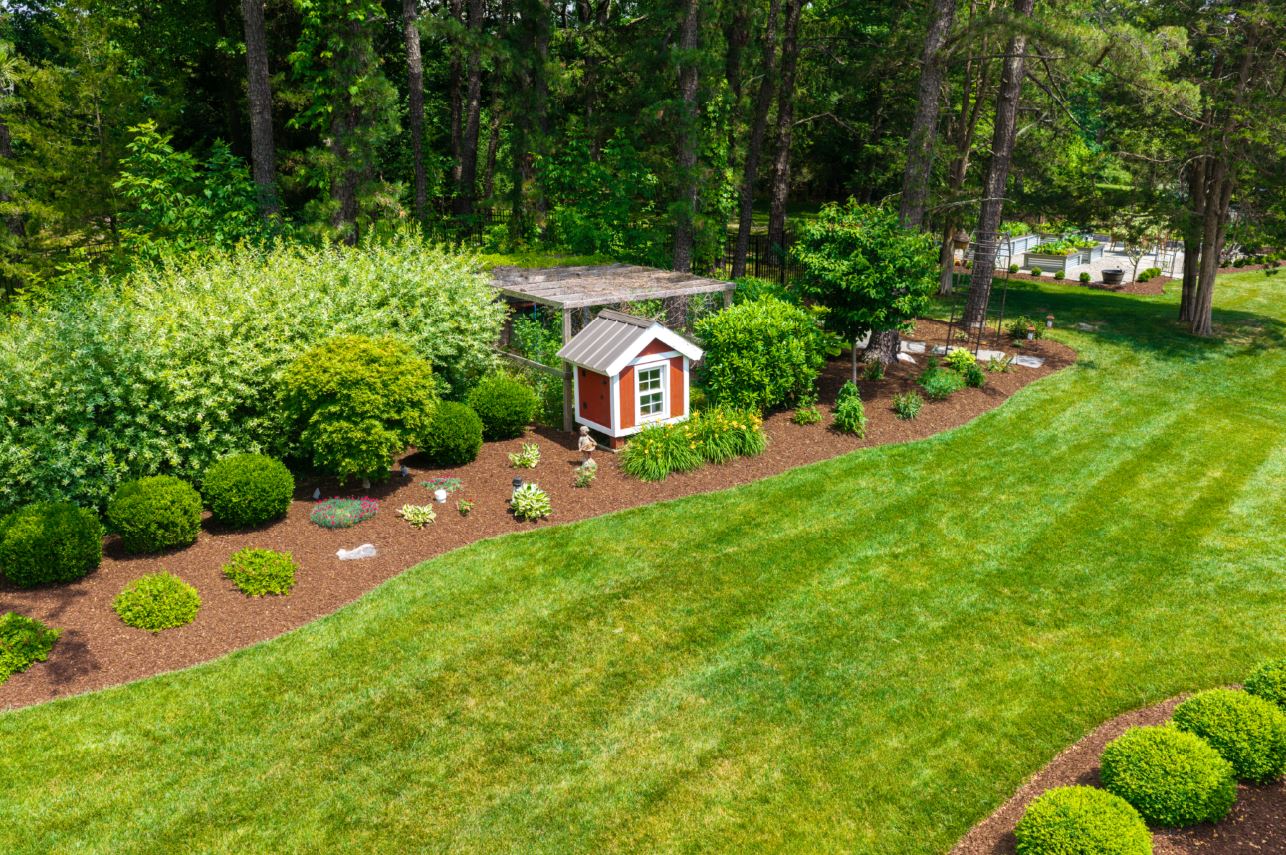
Trees are leafed out. Shrubs have reached their seasonal size. Perennials have filled planting beds. Lawn areas have been exposed to summer heat and foot traffic. Drainage problems, overcrowded plantings and areas that lack color or structure are often easier to recognize now than they were in early spring.
Rather than treating each problem independently, a professional landscape company can look at the entire property and determine how maintenance, pruning, planting and landscape design can work together.

An overgrown shrub may simply need selective pruning. Another may have outgrown its location and be better replaced. A planting bed that seems dull may need a stronger mix of plant material rather than more maintenance. An unused lawn area may offer an opportunity for a new garden, walkway, seating area or outdoor living feature.
Late summer is a good time to start making those distinctions.
What Should Be Pruned in Late Summer?
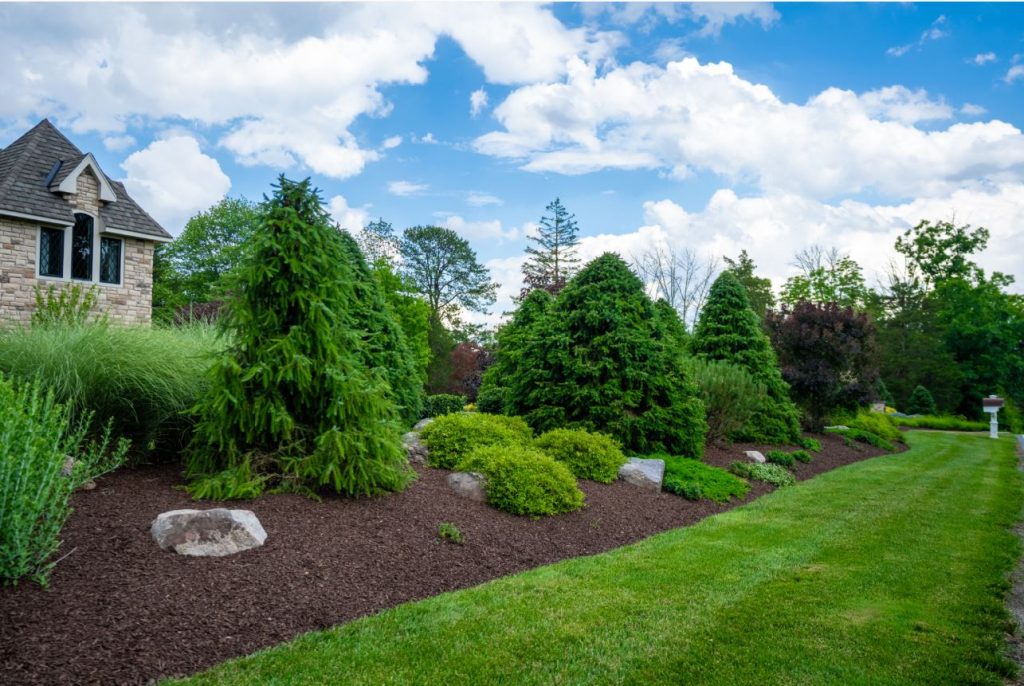
Pruning is one of the most visible landscape maintenance needs during August, but it is also a job that should be approached carefully.
Different trees and shrubs respond differently to pruning, and the correct timing depends upon the plant species, its condition and its flowering cycle. Heavy pruning at the wrong time can remove next year’s flower buds or encourage new growth that does not have enough time to mature before cold weather arrives.
That is why professional shrub pruning is more than simply making plants smaller.
The objective should be to maintain the natural character of the plant while removing unwanted, damaged or poorly positioned growth. Selective pruning can improve appearance, help manage size, increase light and air movement within the plant and keep shrubs from overwhelming walkways, windows and neighboring plantings.
Late summer is also a useful time to identify dead branches, storm damage, weak growth and shrubs that are simply no longer performing well in their locations.
A knowledgeable landscape maintenance company can determine what should be pruned now, what should wait until another season and what may need something more than pruning.
Know When Pruning Is Not the Answer
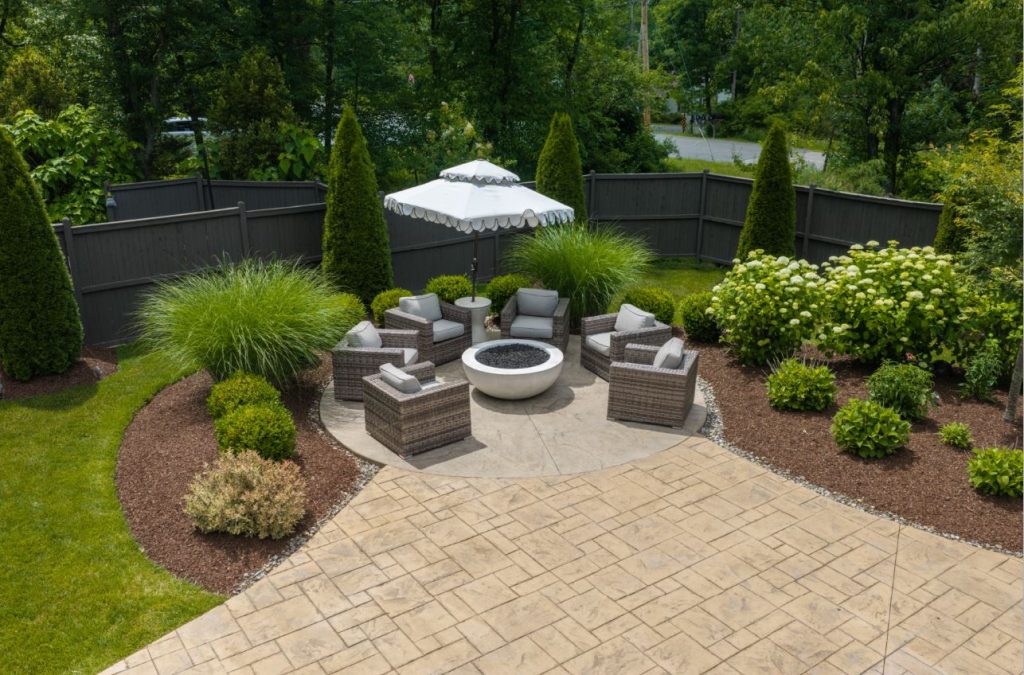
Sometimes an overgrown landscape has moved beyond routine trimming.
Repeatedly cutting a shrub back because it is too large for its location does not solve the underlying problem. The plant may simply be the wrong size or variety for that space.
This is where landscape renovation becomes important.
Landscape renovation works with an existing property rather than assuming everything needs to be removed and replaced. Healthy plants can often be preserved. Valuable mature trees may become anchors for a redesigned planting scheme. Selected shrubs can be relocated, while declining or inappropriate plant material can be replaced.
The result can be a property that feels substantially new without completely starting over.
For established New Jersey homes, this approach can be especially effective because mature landscapes often contain valuable plant material that would take years to recreate.
Late Summer Is the Time to Plan Fall Planting
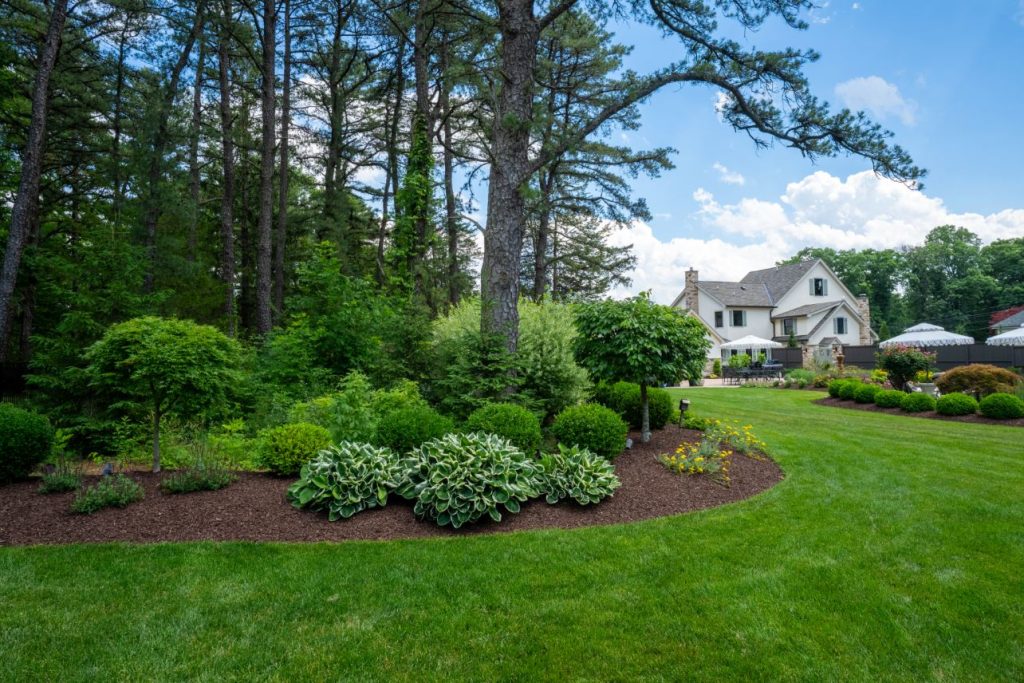
August may feel early to think about fall, but from a landscape planning perspective, it is exactly the right time.
Cooler fall temperatures can provide excellent conditions for many landscape improvements, including planting trees, shrubs and certain perennials. Planning ahead gives homeowners time to evaluate plant choices, develop a landscape design and coordinate installation rather than making decisions after the season is already underway.
A good planting design considers much more than what looks attractive at the garden center.
Sun exposure, drainage, soil conditions, mature plant size, seasonal color, deer pressure, maintenance requirements and the relationship between plants all matter. Professional landscape design considers how the property should look not only immediately after installation, but several years into the future.
That long-term thinking is one of the differences between simply adding plants and creating a successful landscape.
Look for Areas That Need More Than Plants
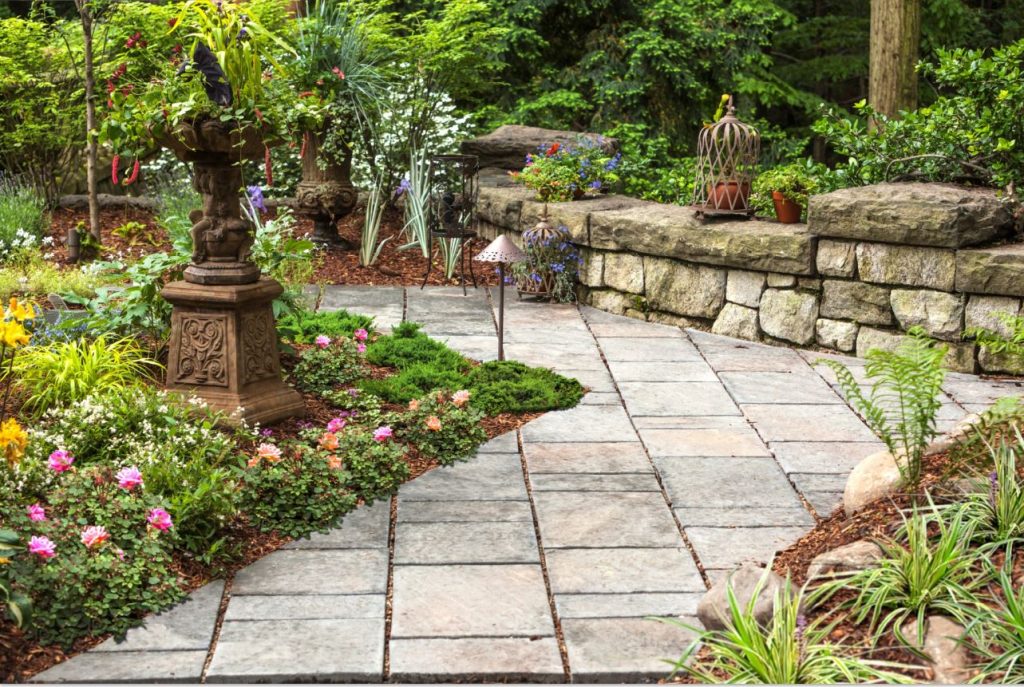
Late summer is also a good time to think about how the property functions.
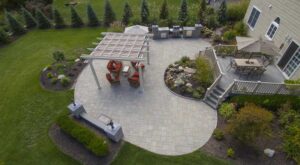
Perhaps the route from the driveway to the backyard is awkward. Maybe a patio is too small for the way the family now uses it. A slope may be difficult to maintain. An outdoor entertaining space may need privacy, shade or landscape lighting.
These are landscape design issues rather than simple maintenance problems.
Landscape construction, hardscaping, plantings and outdoor living features should ideally be considered together. A walkway influences the surrounding planting beds. A patio affects drainage and circulation. Landscape lighting can change how outdoor spaces function after sunset. Screening plants may determine whether a seating area feels private and comfortable.
The best landscapes are not collections of separate improvements. They are designed as complete environments.
Use August to Evaluate What Worked and What Didn’t

Every landscape changes.
Plants mature. Trees create more shade. Family needs evolve. Outdoor living becomes more important. Areas that worked well when a landscape was installed ten years ago may no longer be the best use of the property.
August provides a particularly useful snapshot because most of the landscape is fully developed for the season.
Take a walk around the property and look at it from several perspectives. Notice which views are attractive and which need improvement. Look for overcrowding, empty spaces, declining plants, drainage concerns and areas where maintenance seems disproportionately difficult.
Also pay attention to how you actually use the property.
Where do people naturally gather? Which outdoor spaces rarely get used? Is there enough privacy? Are walkways comfortable and logical? Does the landscape look attractive from inside the home as well as from the street?
These observations can become the foundation for a thoughtful landscape renovation or design plan.
Plan This Fall for a Better Landscape Next Spring
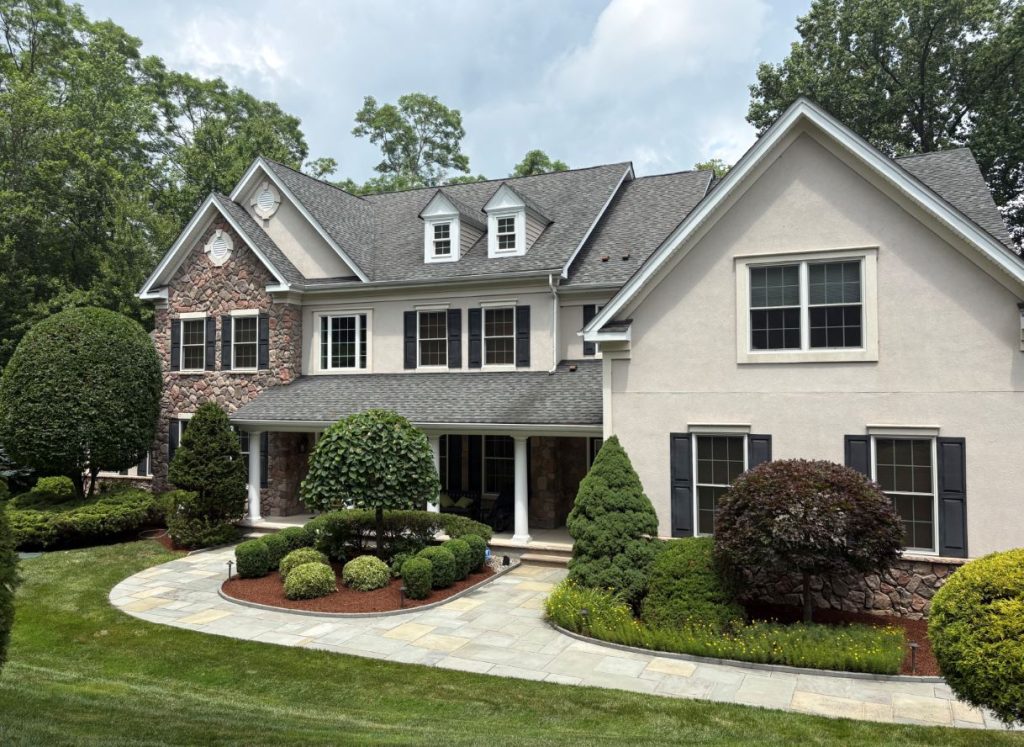
One of the most common mistakes homeowners make is waiting until the first warm days of spring to begin thinking about landscape improvements.
By then, landscape contractors are entering their busiest season and homeowners often feel pressure to make decisions quickly.
Planning in late summer and fall creates more time for good decisions.
A professional landscape designer can evaluate the property, develop ideas, establish priorities and determine whether improvements should be completed at once or phased over time. In some cases, planting or renovation work can begin during the fall. Larger landscape construction projects can be designed and scheduled so the property is ready to move forward when conditions are right.
The goal is not simply to make the landscape look better for a few weeks.
It is to create a property that becomes more attractive, functional and valuable over time.
Ready to Take a Fresh Look at Your Landscape?

If your property feels overgrown, dated, difficult to maintain or simply unfinished, late summer is an excellent time to evaluate the possibilities.
From professional pruning and landscape maintenance to planting, landscape renovation, design and construction, Lakeland Landscaping can help determine what should be maintained, what should be improved and what opportunities may be hiding within your existing property.
A thoughtful plan today can make a remarkable difference in the landscape you enjoy next season and for many years to come.